Hey y’all!
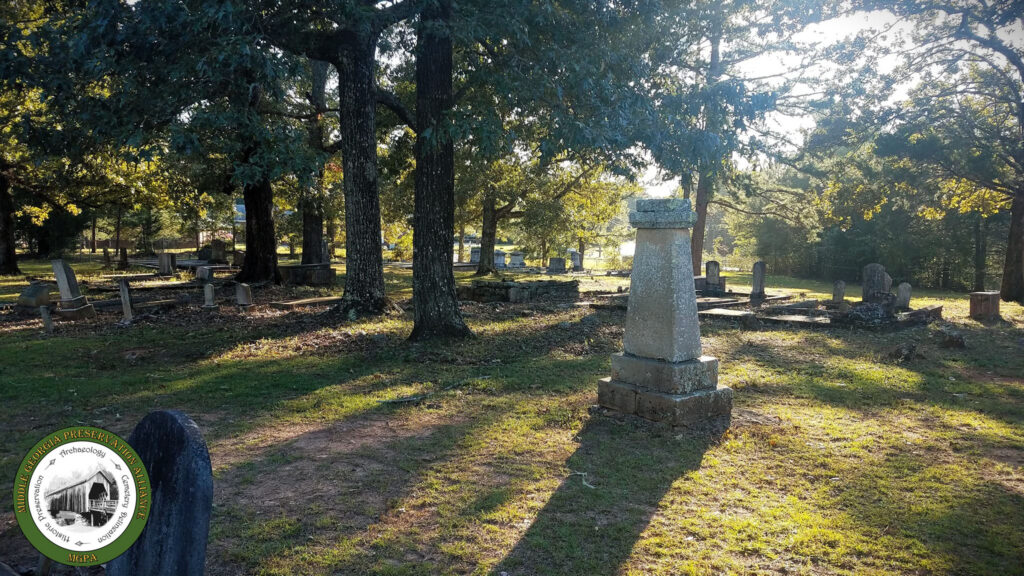
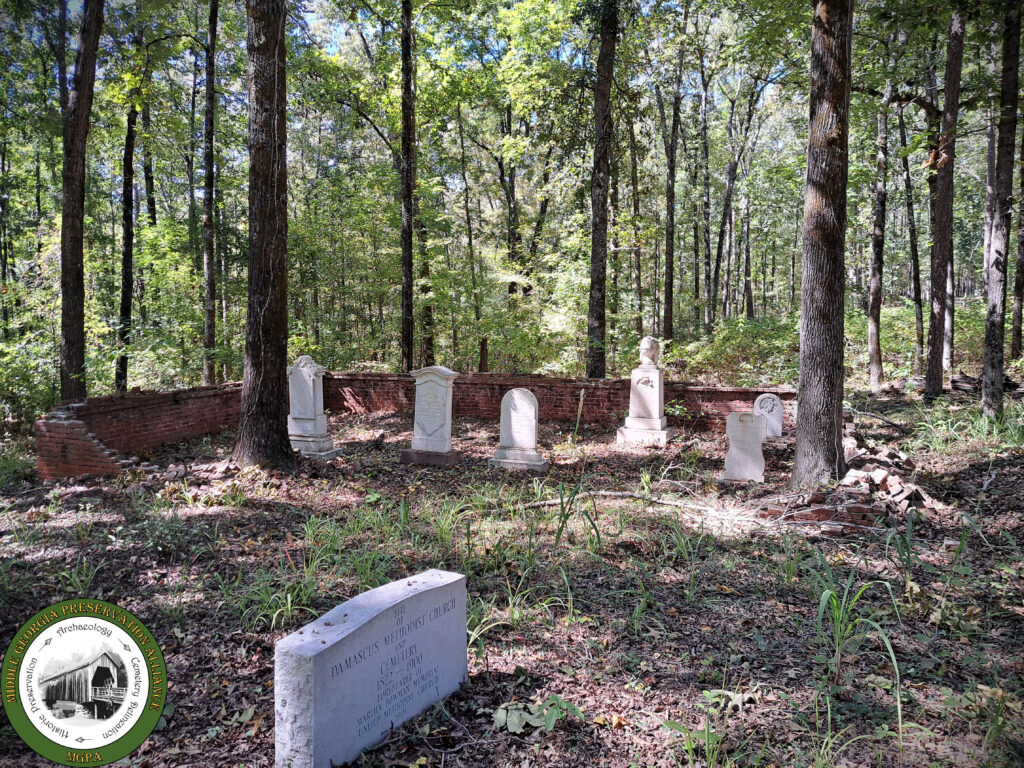
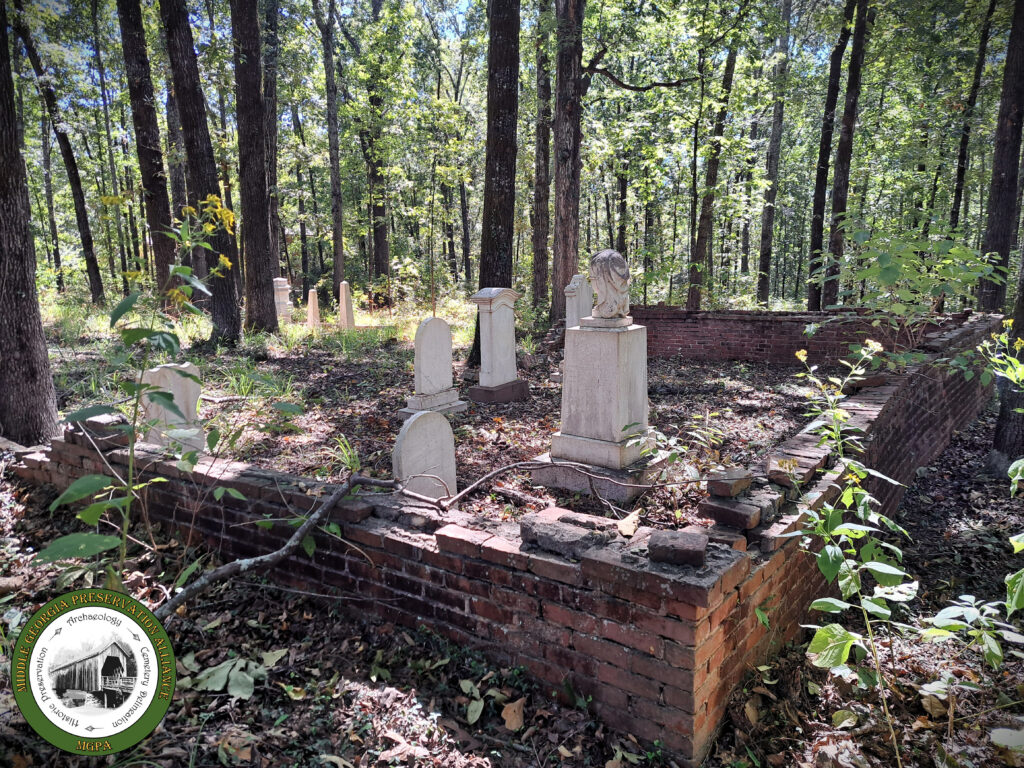
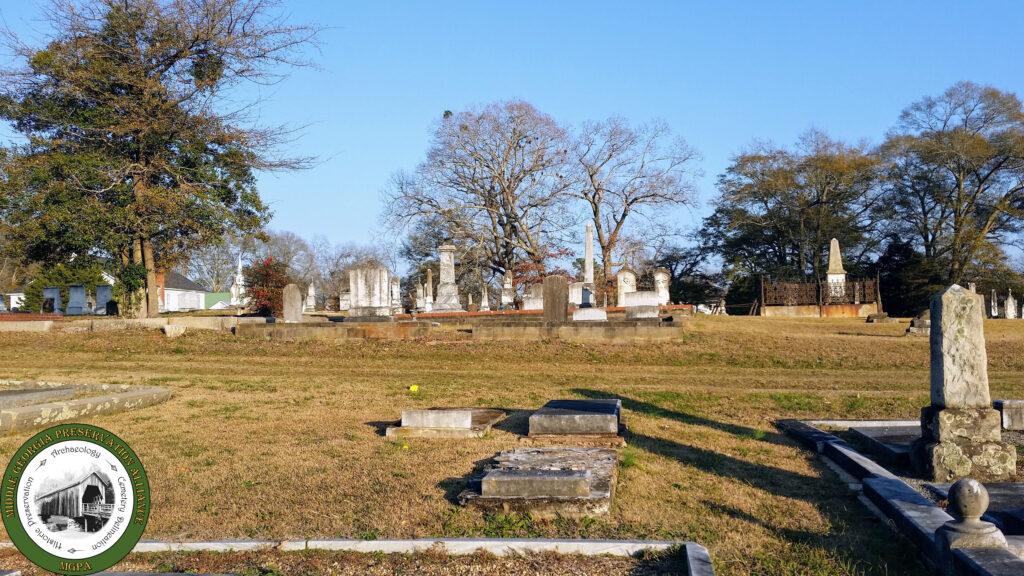
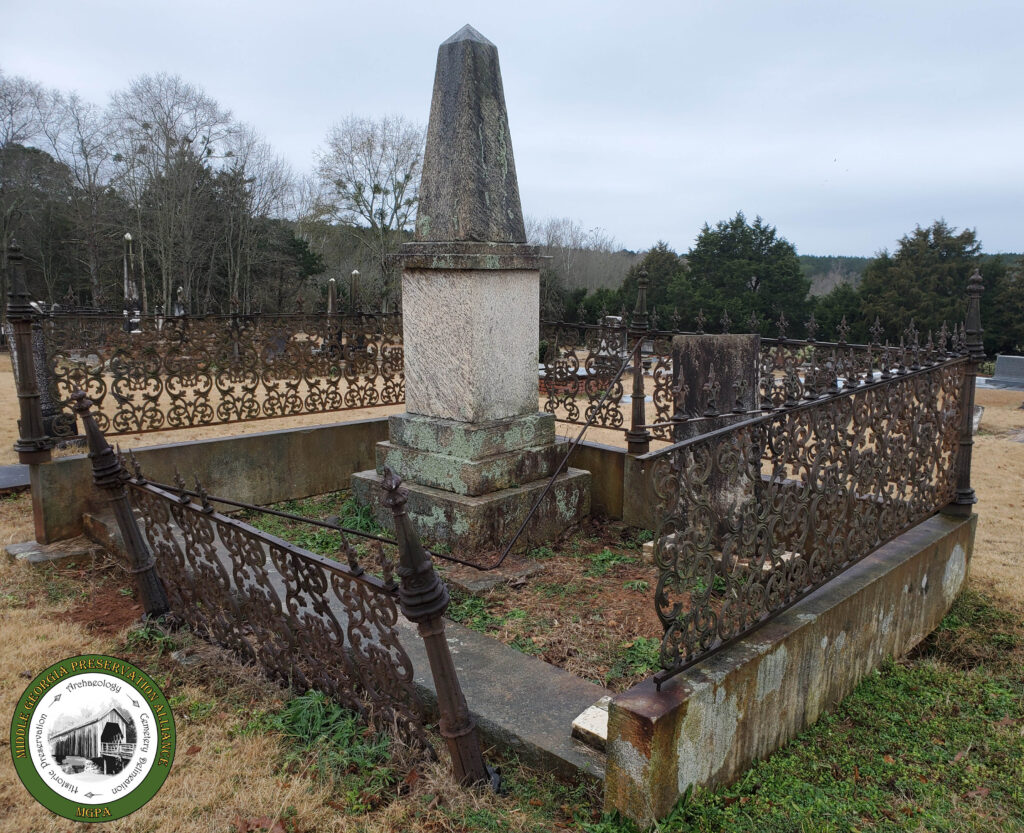
If you love explorin’ old graveyards, this is one story you don’t wanna miss! On the latest episode of Monroe Today, Ms. Gilda Stanbery chatted with Ms. Ashley Quinn, a research associate with the Middle Georgia Preservation Alliance, about MGPA’s Graveyard Ground Project. The project has been goin’ on five years now. The researchers explore cemeteries in the 23 counties of Middle Georgia—like our own Monroe County—and look at the condition of them, the types of headstones, types of markers there are, etc.
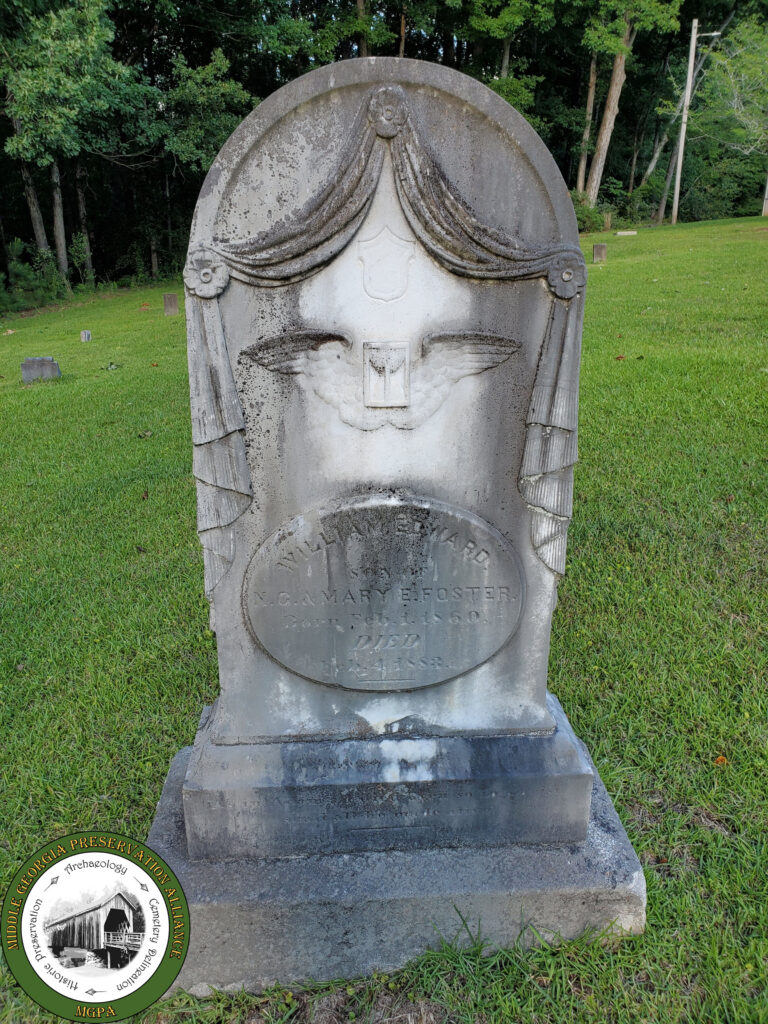
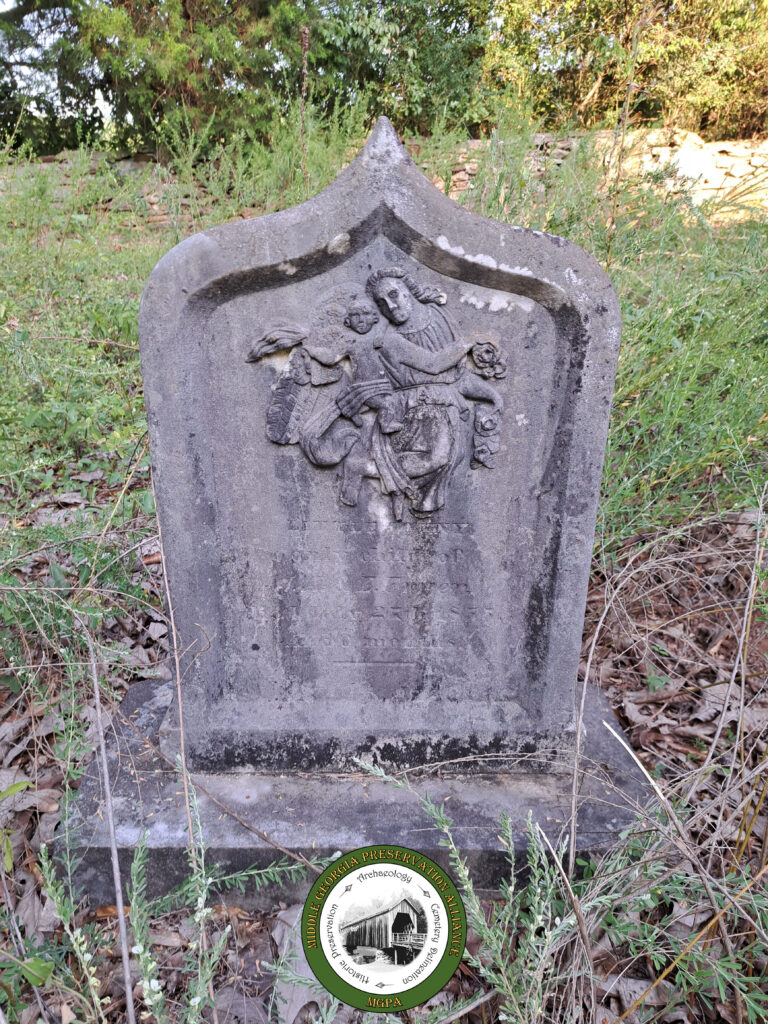
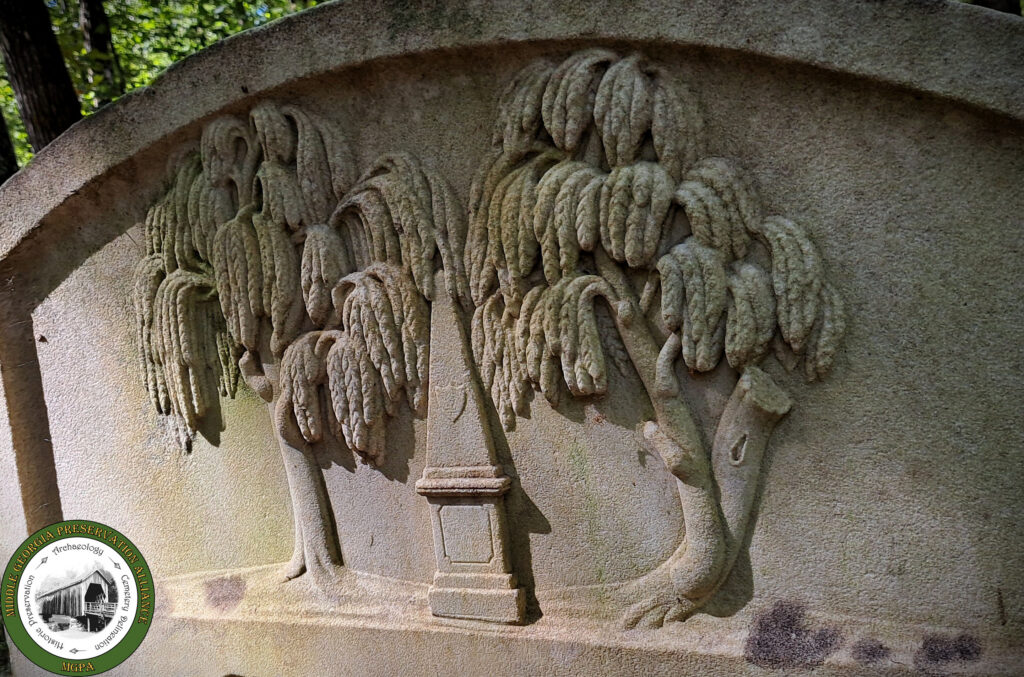
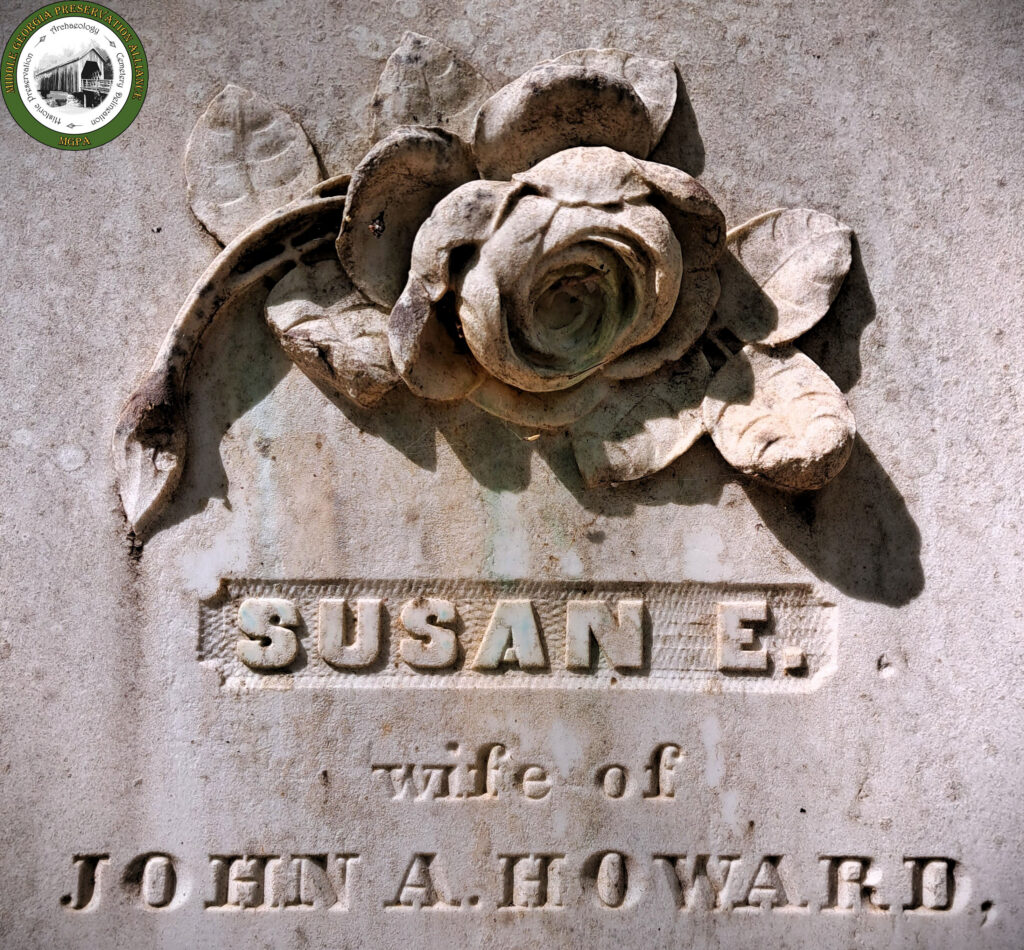
“We’re looking at all different types of burial grounds,” shares Ms. Ashley, “whether they be churchyards or city cemeteries or family burial plots. My focus is on finding stones that are signed by the makers that carve them, typically between 1820 and 1920.”
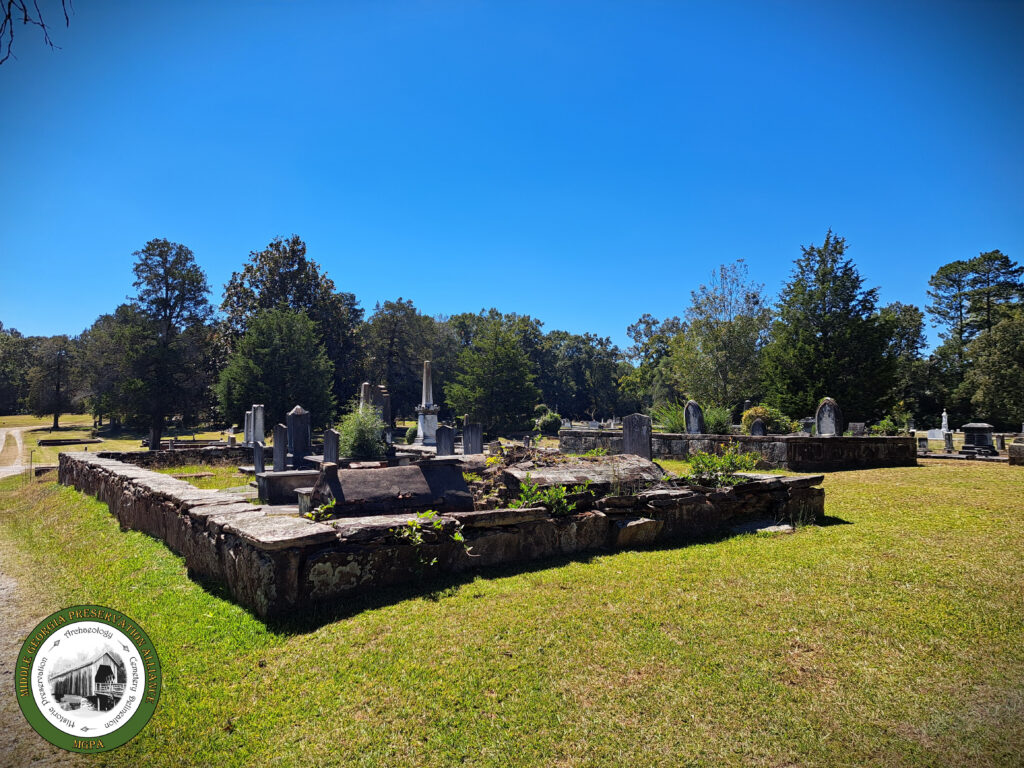
This period is practically modern compared to what Ms. Ashley usually works with! A paleontologist by day, she’s the Collections Manager at the William P. Wall Museum of Natural History at Georgia College & State University in Milledgeville. And if that isn’t already a full plate, she is also the President & Founder of the Paleontology Association of Georgia and the President of the Ocmulgee Archaeological Society.
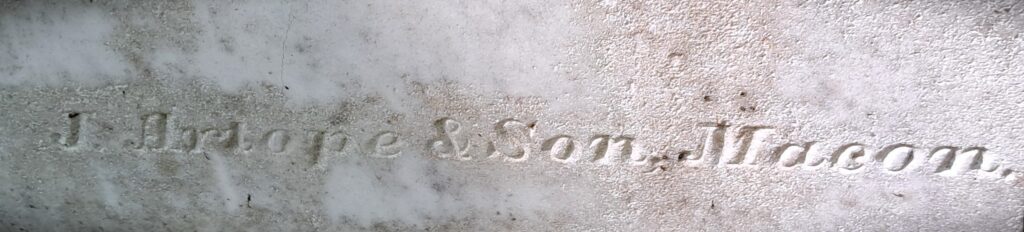
She kind of stumbled into the Graveyard Ground Project—it actually started as a one-off cemetery cleanup event. “We signed up for a headstone cleaning and restoration workshop that someone did down in Rose Hill Cemetery in Macon back in the latter part of 2020. Part of the workshop is that the company gave us the materials, and we went to pick a headstone to clean. So we picked a small one because we didn’t want to tackle a really huge monument. We cleaned it and we noticed that it was signed by J. Artope of Macon. And then the [MGPA] executive director, Steven Hammock, that I was at that workshop with, he said, ‘Oh yeah, this guy has other signatures of his on headstones and some other places.’ And so then we started documenting where, and looking actively for where, these signed headstones were gonna pop up, and what was the date range for each signer…”
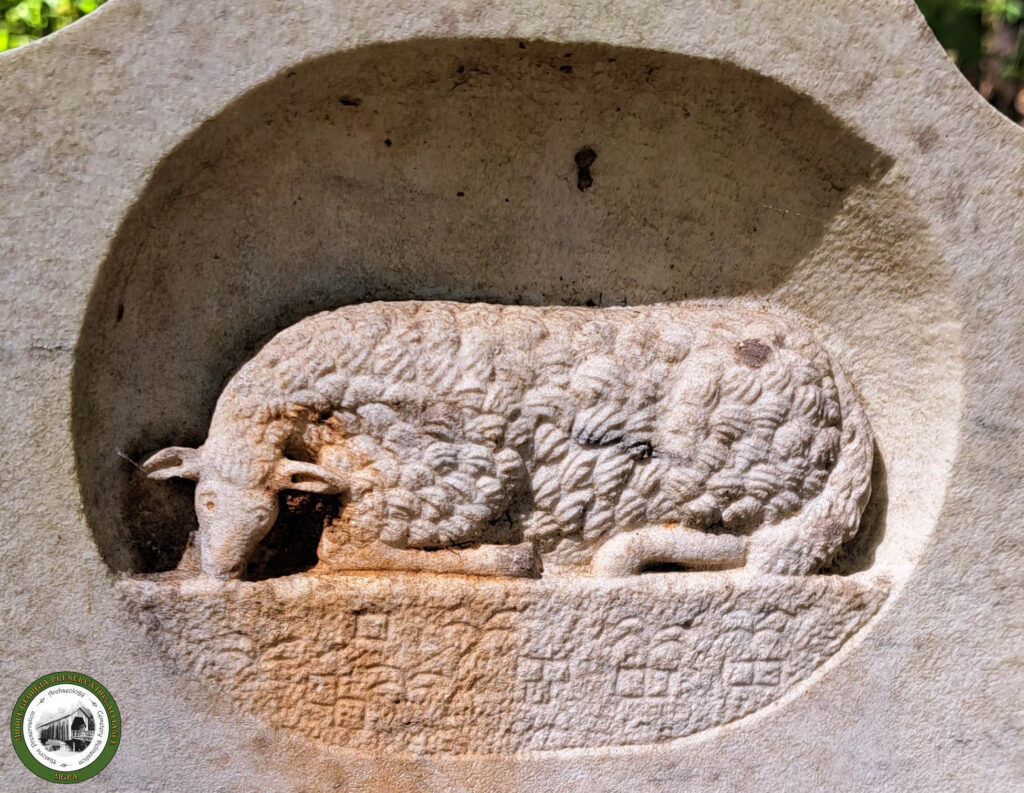
The MGPA now has a large database, and as an ongoin’ project it is still being updated. Ms. Ashley and the team have visited close to 400 cemeteries across the 23-county area of Middle Georgia, documenting over 1,100 signed stones, many of them signed by the Artope family in Macon. They were one of the main monument makers in this area, accordin’ to Ms. Ashley, “but we also have monument makers and carvers from Boston, New York, Louisville, all over the place across the northern seaboard there and in the Southeast.”
“As you dig into newspaper articles and advertisements, you learn that some of the guys up in New England would have dealers here. And so you would contact a local dealer and then you’d get a monument shipped in from the Northeast somewhere like New Haven, Connecticut or New York.”
Another interestin’ headstone maker Ms. Ashley came across was Eldren Bailey. Most of the headstones they recorded were for “rich white people, basically,” Ms. Ashley explained. Simply put, the majority of people who were buried back then could not afford the type of marker that would have been signed. But they started noticin’ another type of headstone that seemed to be repetitive in different African American burial grounds they visited. The work was very distinctive:
“We discovered that there was this one gentleman who lived in Atlanta who was making affordable headstones for African Americans for probably 50 years. His name was Eldren Bailey and he was basically using cement. So he would use, it seems to me, some type of mold that he would fill with cement, and then on top of that, after the cement dried, he would put some type of mixture of plaster. […] And then that’s where he would inscribe the person’s name and birth and death dates.”
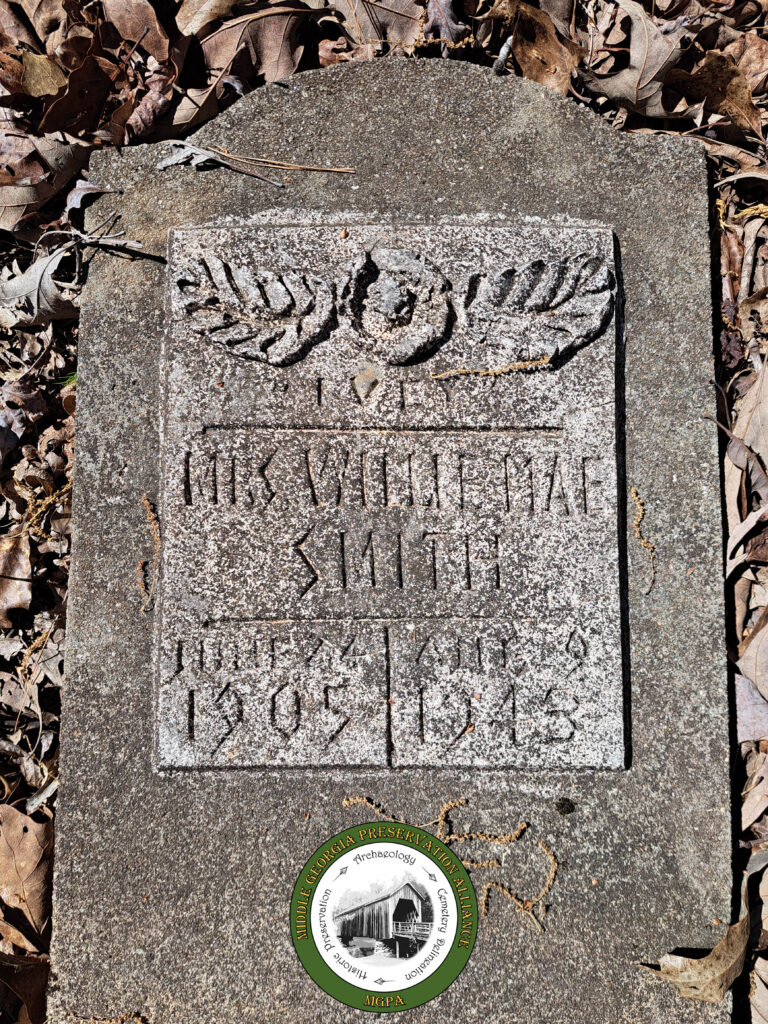
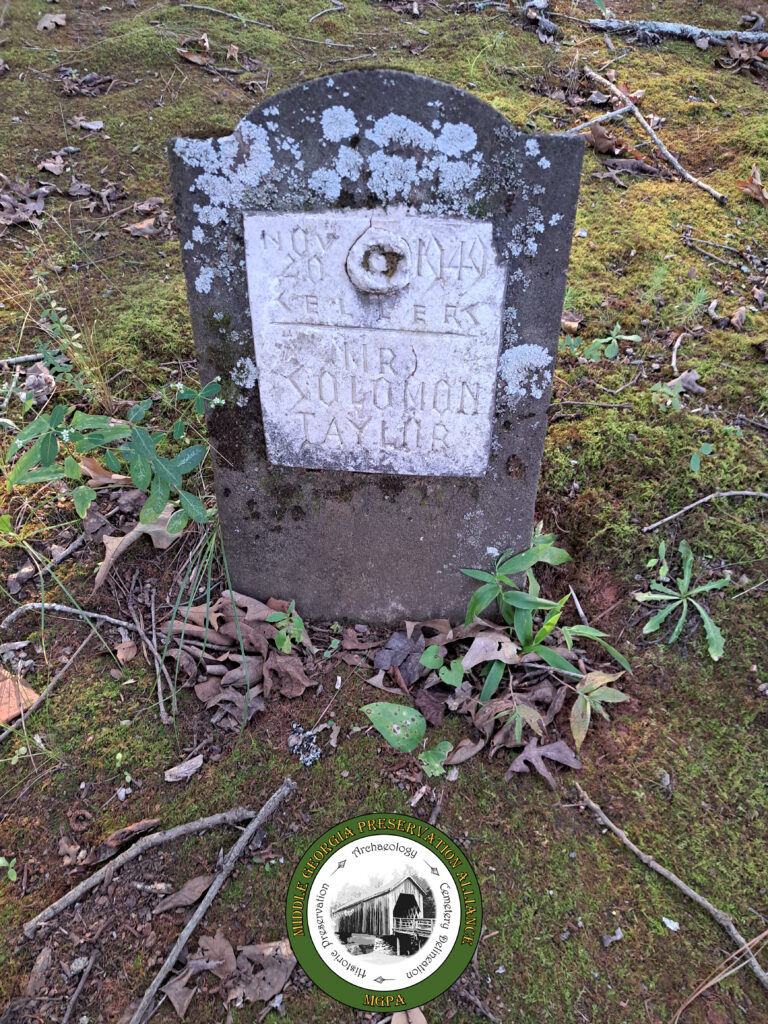
Mr. Bailey’s work is prolific. Over the short amount of time that he lived, Ms. Ashley and the MGPA team have documented about 5-600 in Middle Georgia alone. She’s even looked for him in other counties around Georgia, and is up to nearly 6,000 Eldren Bailey headstones!
Travelin’ even further into the past, Ms. Gilda asked Ms. Ashley if the Graveyard Ground Project had explored places like Culloden’s slave cemetery and Native American burials.
“We’ve been to Culloden multiple times and taken pictures. That’s a very important cemetery. Slave cemeteries are not the easiest to be found and they’re not well documented because a lot of times, if there are stones there, they are just marker stones or field stones and so you don’t have a lot of information carved on them. Sometimes those slave cemeteries will continue into use later on in history and so you do have some information about the people. But we haven’t focused on the slave cemeteries, so much as African American cemeteries. So these would be either family plots or ones associated with African American churches.”
As far as Native American burials, Ms. Ashley says there’s not a whole lot of information that they’ve documented on them for the Graveyard Ground Project. She and Ms. Gilda did reflect on the two mounds found at Plant Scherer in the 1970s though. The University of Georgia came out to do the archaeological investigation. They looked at and deconstructed the rock piles, lookin’ for evidence of human burial.
“Interestingly, most of the bones that UGA found were deer and turtle. And then there was a whole lot of burned bones that they were not able to identify. So they concluded that it was a mound that was set up for basically cremation of the Native Americans. Other artifacts that they found at that site dated it to the Woodland time period, which was about 1000 BC to 1000 AD. As far as Native American sites in Monroe County, that’s the only one I’m aware of. They’re probably, definitely, more. […] I know our executive director said that the Towaliga [River] in northern Monroe and the Ocmulgee [River] there up and down that area is really an untapped resource for Native American sites and artifacts and stuff like that.”
Don’t y’all take that as a sign to go lookin’ for them, though! Even with your heart in the right place, a trained professional archaeologist like Ms. Ashley and her colleagues really should be the ones to take a look at any suspected burial.
“It is against the law to disturb any type of burial, whether it be Native American or something else. You have to get a permit. We have moved some cemeteries recently, but it’s because we had the family’s permission to do that. You really cannot disturb any type of burials.”
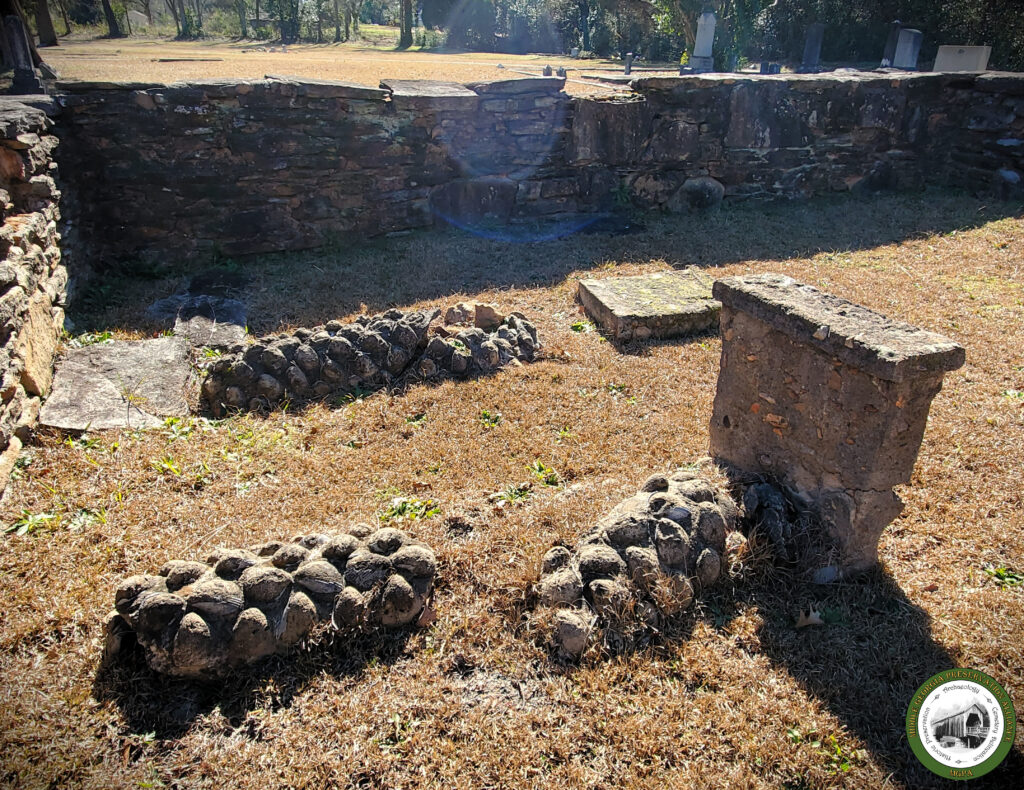
Ms. Ashley also cautioned those good samaritans hopin’ to fix a headstone that’s leaning or broken. “Typically, if it’s an older headstone, there’s going to be some sinking into the ground and you’re going to have to dig. And so even these guys, I see them on social media who fix the headstones, I’m hoping that they have permission from the family or from whoever runs the cemetery to actually fix those things. It’s not a good practice to just start digging around in the cemetery. Whether you’re actively looting or just trying to—from the goodness of your heart—fix something, you really need to have permission.”
Improper care is another concern. Not all materials react the same way, and sometimes even the act of cleanin’ a headstone can lead to further deterioration. It is important to do a little research and consult someone with experience before tacklin’ a project like that.
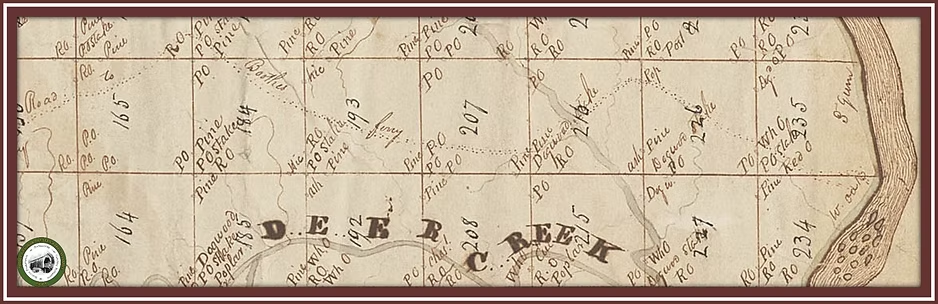
Ms. Ashley had a lot of advice and recommendations for research if you’ve come across an old family cemetery and want to know more about it, get it fixed up, or are trying to locate a specific one and don’t know where to start. She says the local historical society is always a great place to start—shout out to the Monroe County Historical Society!
“There are hundreds and hundreds of cemeteries in each county. Old family plots are a lot of times located on the corner of old land plots from the 1800s. So like your 202 acres that was given to each family, right at the crossroads or at the boundaries of those old land lots is where they would sometimes have a family burial plot. And so it’s useful to look at old maps…”
Interested in hearin’ more? Well, give the full episode a listen below!
‘Til Next Time,
Your Storyteller