Hey y’all!
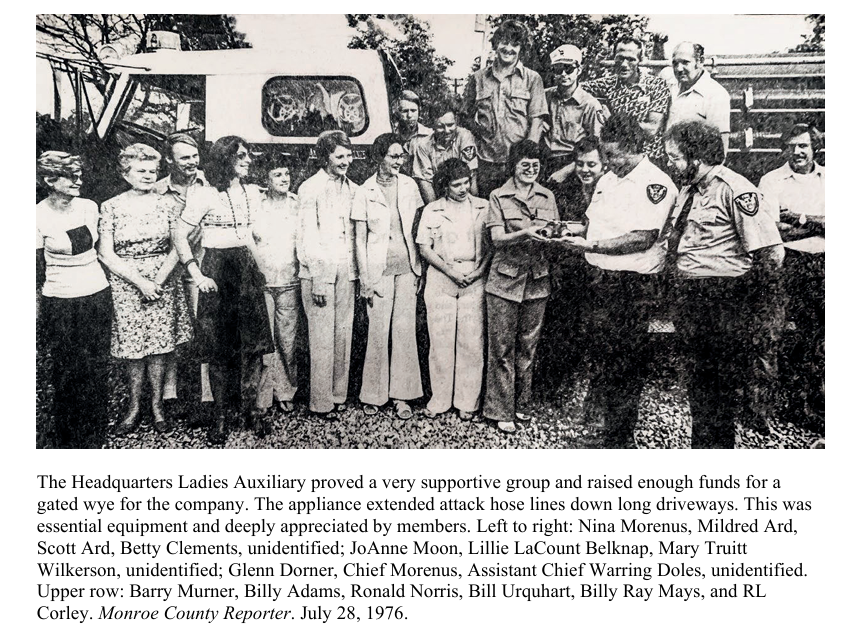
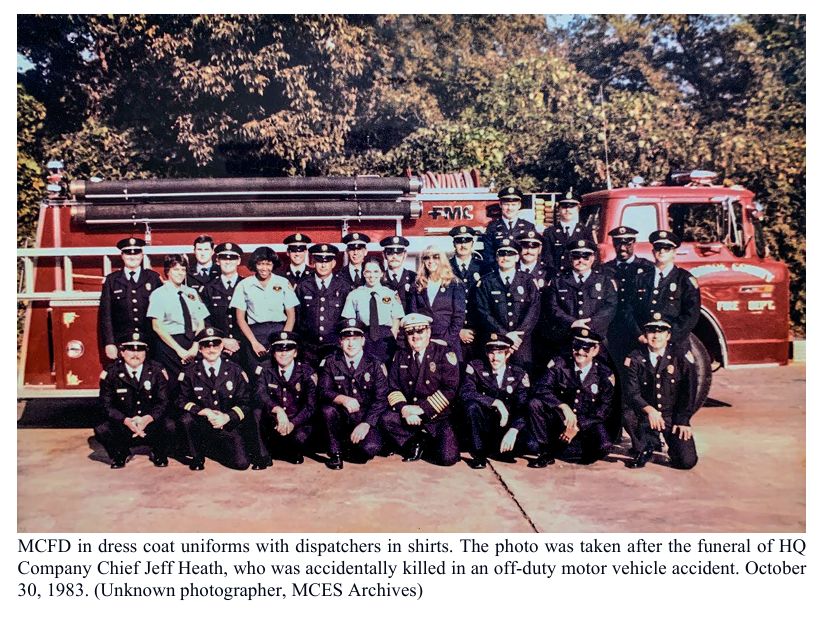
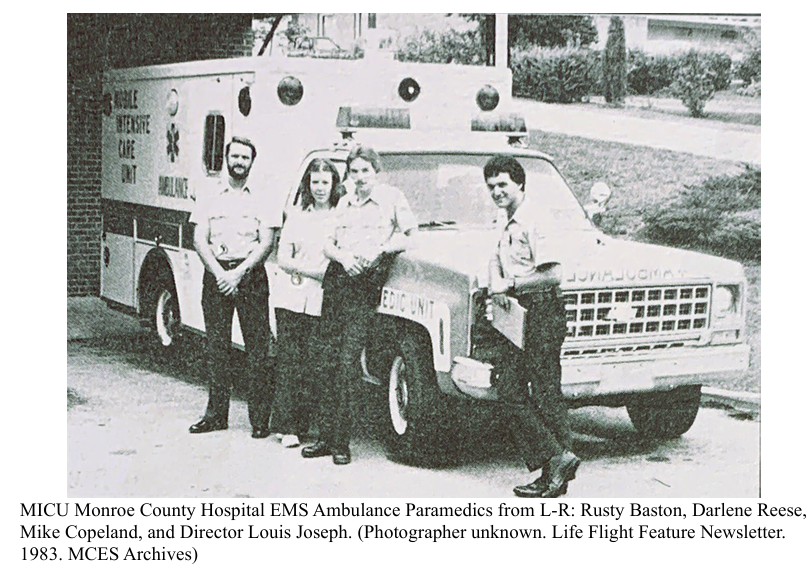
On the latest episode of Monroe Today, Ms. Gilda Stanbery sat down with Lieutenant Colonel Glenn Dorner (U.S. Army, Retired), author of Monroe County Emergency Services Fire Rescue EMS 1975-2025. In addition to 25 years of active duty, Lt. Col. Dorner was also a volunteer/career firefighter with Forsyth, Monroe County, and Macon-Bibb County Fire Departments from 1975 to 1983, a resident instructor at the Georgia Public Safety Training Center/Georgia Fire Academy from 1998 to 2000, and the Director of Monroe County Emergency Services from 2000-2006.
Now the Director/Fire and Military Service Historian for the National Fire Heritage Center, he lives in Washington State with his wife Tina. But here in his hometown, he’ll always be affectionately remembered as Chief Dorner!
“Anytime I can be back in Georgia is a good time,” confided Chief Dorner to Ms. Gilda on his latest visit to Forsyth.
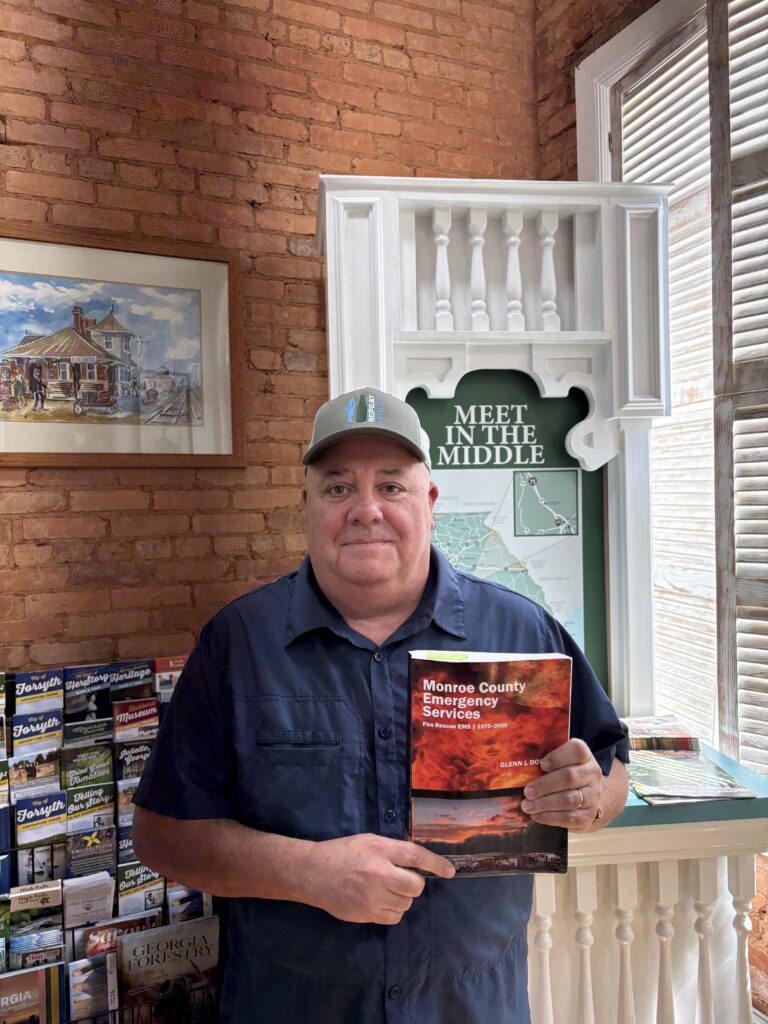
Though he now lives in Lacey, WA, which he and Tina fell in love with while stationed at their last army base, Forsyth and Monroe County will always hold a special place in Chief Dorner’s heart. It’s home. His family came here in 1912 when his grandfather moved from Germany.
“He came over and got on a train some way or another and wound up coming down to Forsyth. And when he looked out the window [on the train], he saw Tiff College. He said, ‘Oh, look at that fabulous hotel! There must just be many people that need haircuts! And I’m a barber, so this is the place. Perfect.’ And it turns out to be an all-female college,” shares Chief Dorner with a laugh.
Three generations of Dorners have lived in Forsyth. Chief Dorner had a few stories to share of his high school days as a Mary Persons Bulldog (Class of ‘76!). The Dorner boys were always kind of pranksters, so they had some good times—and maybe some too-good-of times? Chief Dorner interrupted one story of their escapades laughin’, and told Ms. Gilda maybe they better stop there, ha ha! (Definitely go listen to the episode recordin’ below for some of those!)
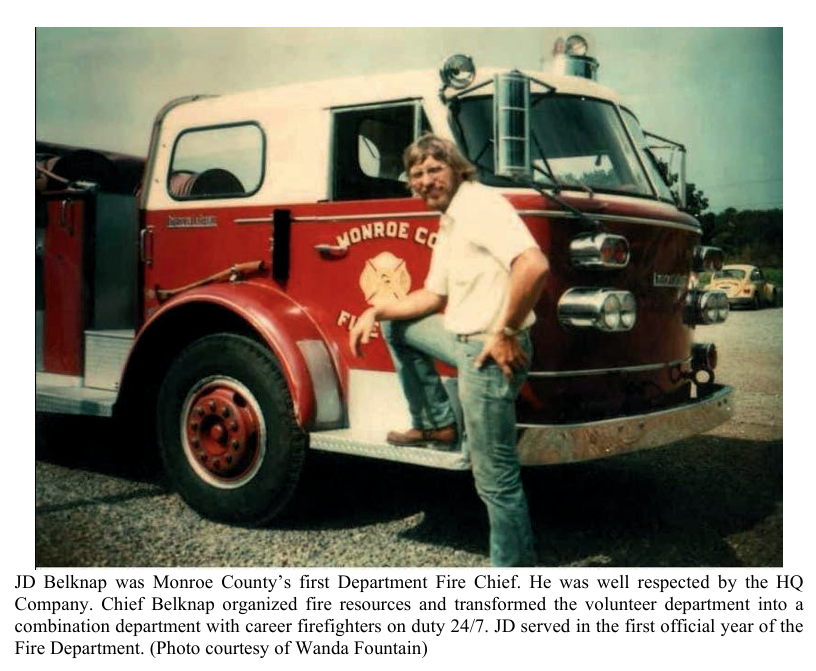
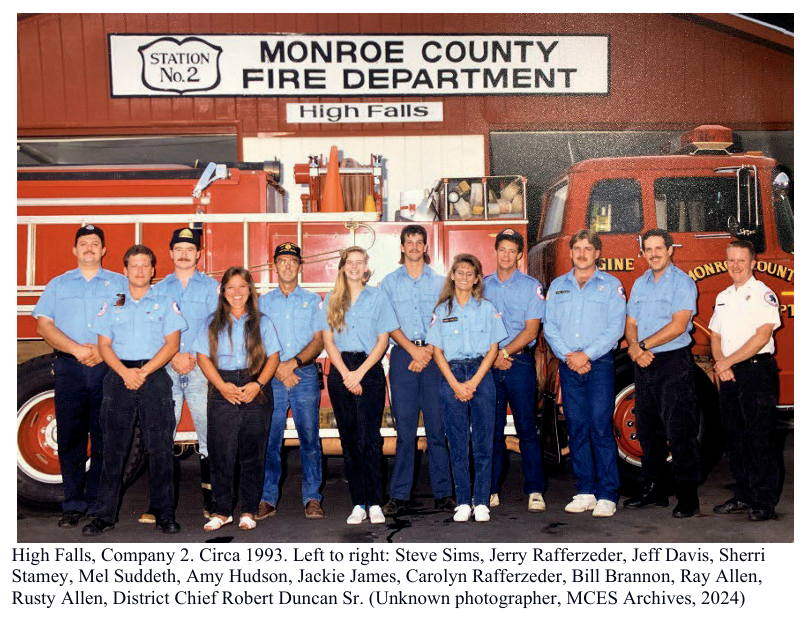
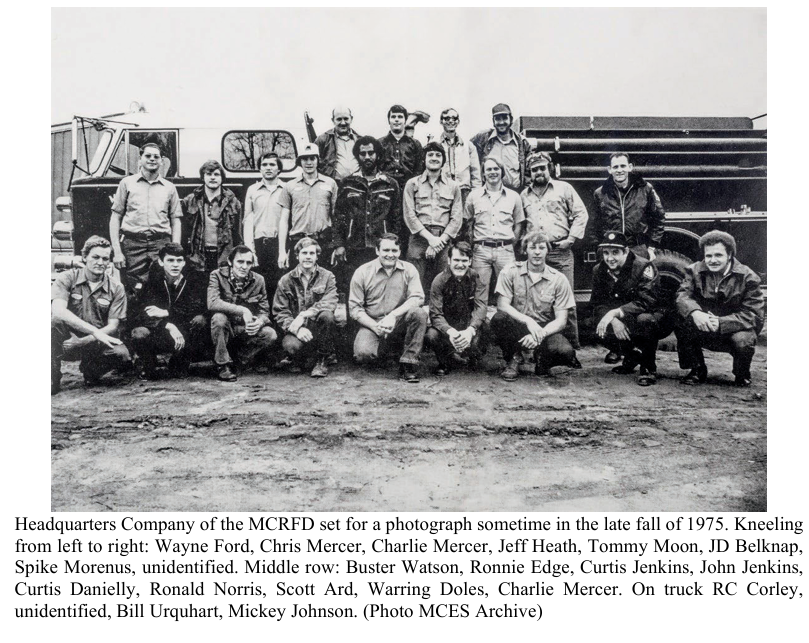
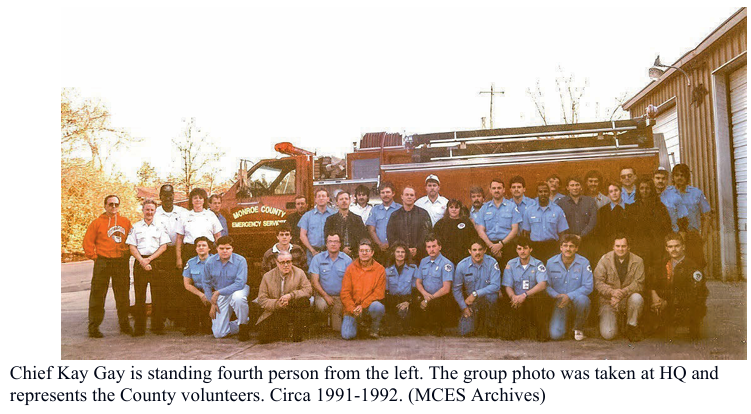
In Chief Dorner’s senior year of high school, he had the opportunity to become a volunteer firefighter with the new department for Monroe County, which started in 1975.
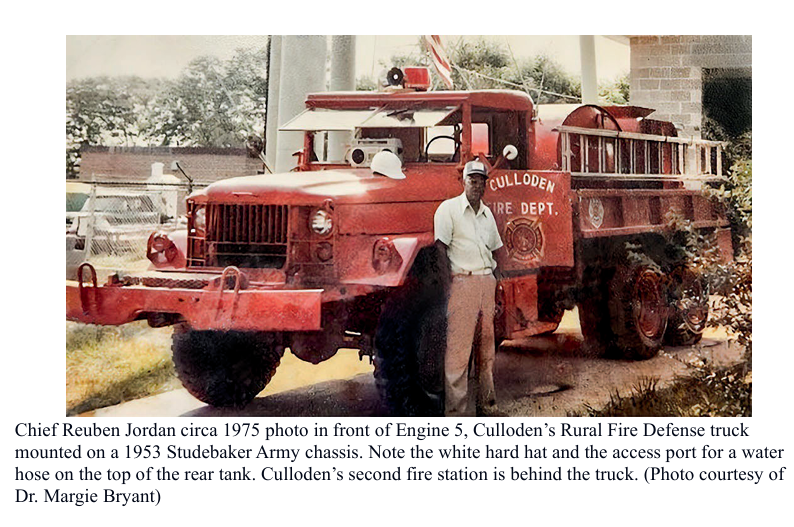
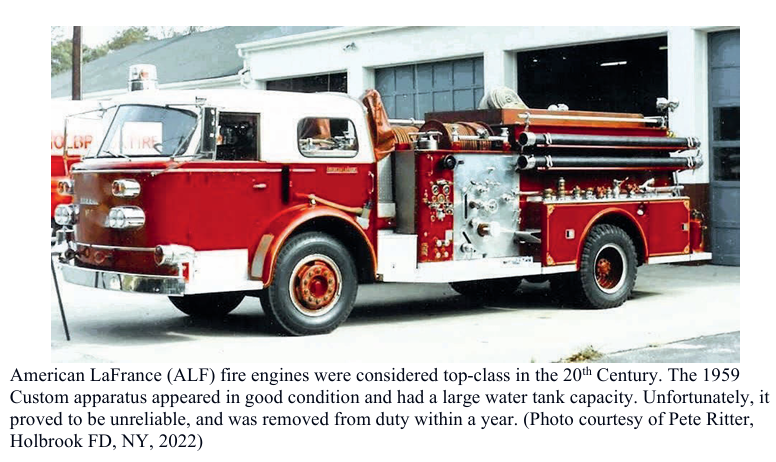
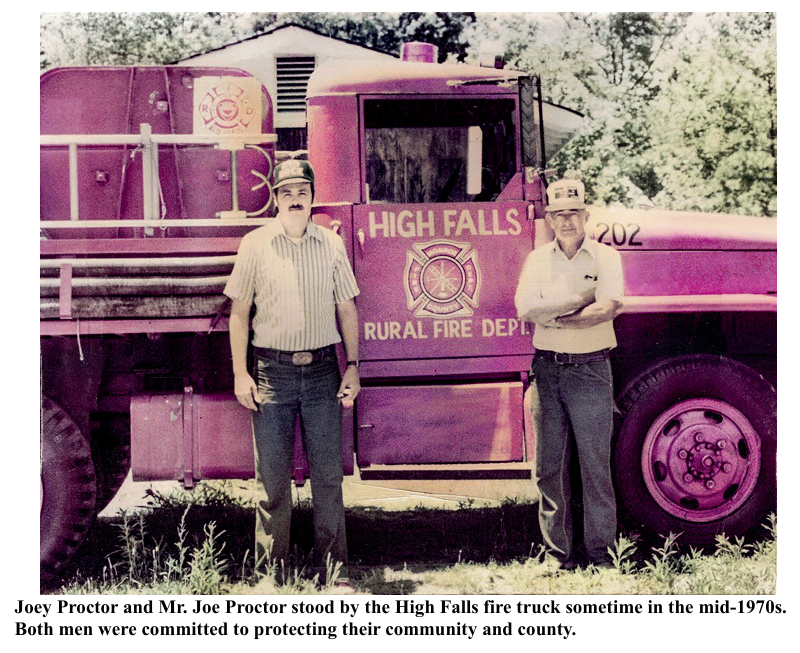
“With that, I suddenly got put into a position of serious business, you know, that was very challenging and not…we were not supported too much, you know, with no equipment really. Barely used trucks that were 30 years old and that kind of thing. But, Monroe County was starting off in the fire service. Up until that time, people said, if somebody lost their house in a fire in the county, ‘Well, they knew that when they built that house out there. There’s no fire protection, so they should just accept that.’ Well, you know, that was kind of out of the early pioneer days and the thought was, it’s just going to happen from time to time.”
Eventually, though, the county commissioners at the time saw the need and started buildin’ a fire department. There wasn’t a lot to work with, no money in particular, so they secured loans through the Georgia Forestry Commission and recruited volunteers throughout the county.
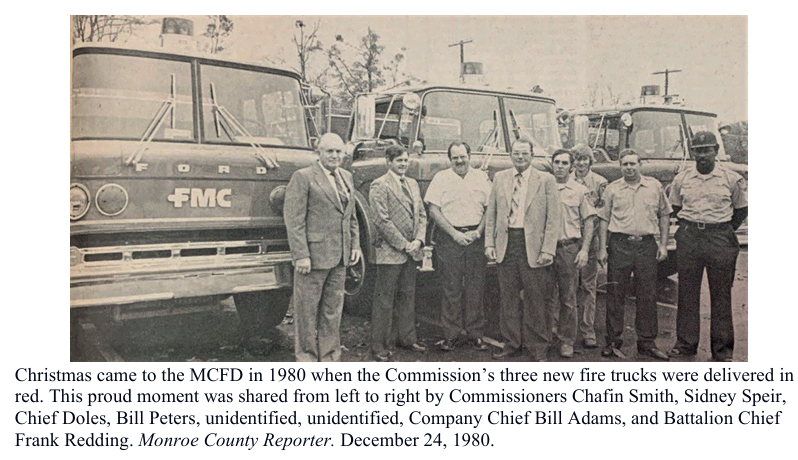
“And it was a turnaround for me. There were so many men that mentored me into the job. And these were all working people that worked in the mills. They worked for the state highway department. But during off time, they volunteered and they spent all their time to be the best firefighters they could be in the county.”
Chief Dorner shared that in the first few years, they lost more than half of the houses they went out to save. But by the third year, a fire chief came in that was able to turn things around, and acquire some extra equipment.
“And from that point on, it was always a number greater than 50% that we saved! So it was quite a big step, and I was glad to be a part of that.”
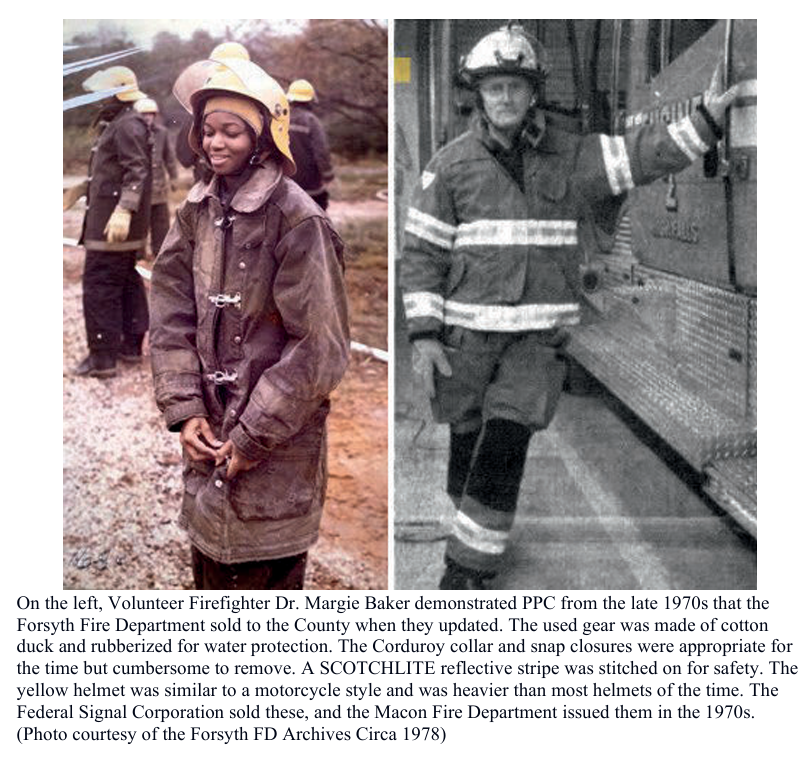
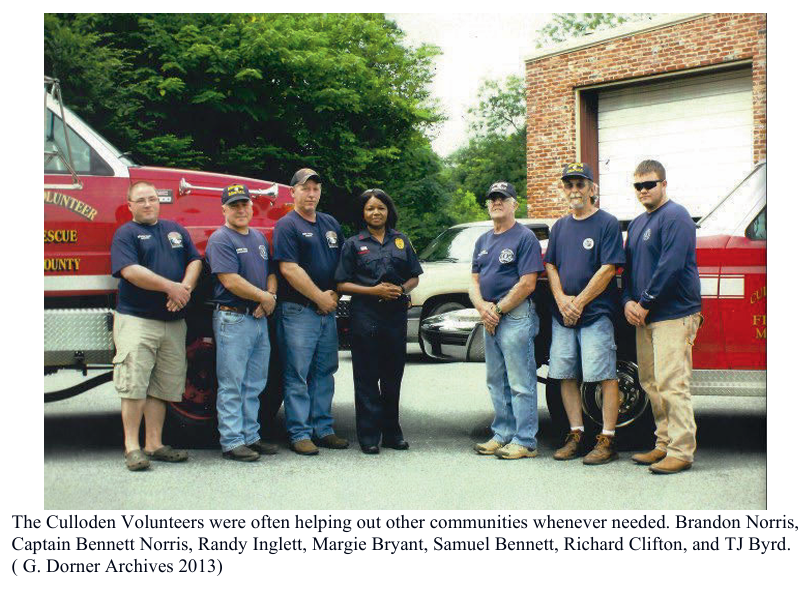
Chief Dorner and Ms. Gilda chatted for a time about the men, and women, who were volunteers in those early days. How it was quite a commitment—the volunteers had jobs and families in addition to firefightin’. A lot of fires happen at night, so they’d be out there for eight hours workin’ a fire, and stop with just enough to go home and shower before they went to work. One remarkable example is Dr. Margie Bryant:
“Dr. Bryant is unique. She is a standout firefighter from Culloden Fire Department. And she is extraordinary. Just for her case, to be coming up on 50 years as a volunteer firefighter out there. It says a lot that you can be a member of a department, but the thing you have to understand is that she does fire and EMS work out there. So every time there’s a crash, injury, or fire, she works within a team, and they take care of people, and they do it for a long time, because there’s a long response time for ambulances to get out there. So they have it on their own, and she’s one of those that has stood the test of time, and has done very well. It’s unusual for African-Americans to be that early in the 1970s to be in the fire service, much less to be a female,” explained Chief Dorner.
You can learn more about Dr. Margie Bryant and her story in our other blog post, “Celebrating 50 Years with Dr. Margie!”
Chief Dorner shared some of the history of the City of Forsyth Fire Department and their seamless collaboration with the county to service the City of Forsyth. Did you know the city’s fire department dates back as far as 1897? It started off in the two-story brick buildin’ on North Lee Street (which they shared with other city departments). They put the firefighters upstairs, accordin’ to Chief Dorner:
“They had to climb this roller coaster stair all the way to the top, you know, and that’s where they kind of were. But when they caught a fire, when they started off, they had an actual bell that used to ring in there, an iron bell. And then one guy would take the truck and go.”
One of the earliest systems for firefightin’ back in the day was called a “hook and ladder.” They had two-wheeled carts that pulled a big bucket of water. More of a pressurized container, Chief Dorner explained.
“They would take this soda-acid-type compound, dump it into the water, and when they did, it just started to expand on out. And so they would have a hose to cook that, and would take it to the fire, and pour that in there, activate the water, and then the pressure would come through the line, and they would extinguish the fire, supposedly. It didn’t work that well all the time. But it was the beginning, right?”
In those early days, they didn’t have motorized vehicles yet, so there was a big horse stable by the station. There is a particular story about a mule that has fascinated Chief Dorner in his research… but I can’t give everythin’ away right here!
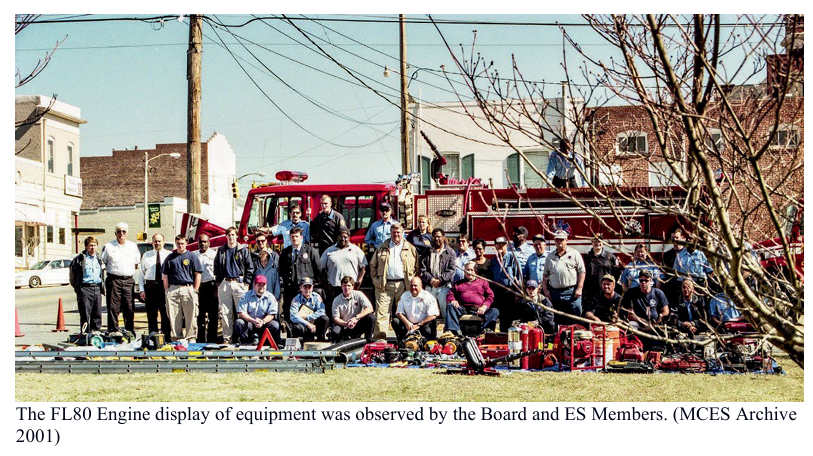
There’s plenty more from Ms. Gilda’s talk with Chief Dorner to look forward to, so have a listen to the episode for yourself below! For more about the history of firefightin’ and emergency services in Forsyth and Monroe County, be sure to pick up a copy of Chief Dorner’s book. I for one, am lookin’ forward to his next book (comin’ soon!), which will take a closer look at the City of Forsyth Fire Department, and some of those stories from its earliest days.
You can listen to the latest Monroe Today episode below!
‘Til Next Time,
Your Storyteller